
What should you check before buying land near San Antonio? Start with the things you can’t see from the road: the water, the septic, the tax status, the easements, and the flood map.
This list works whether you’re buying raw land to build on or a house that already sits on a few acres.
Most people fall in love with the view first. They see the oaks, the fence line, the quiet, and they write an offer that weekend. The questions about the well and the ag valuation come up during the option period, when there’s barely time to get answers.
That’s backwards. On a house in a subdivision, the comps do most of the work. On five or ten acres outside Bulverde or Marion, every property is different. Two tracts on the same county road can have different wells, different septic systems, and very different tax bills.
I’ve been investing in Texas real estate since 1997, and I’m an Air Force veteran. I’ve also worked through every item on this list on a five-acre property in rural Bexar County: the well, the septic, the survey, and the tax status. Country living is one of the three things I specialize in, because it’s where buyers have the most to check and the fewest comps to lean on. Here’s the list I work through before a client makes an offer.
1. Where does the water come from, and who regulates it?
Out past the city lines, most homes are on a private well. That’s normal. But you need to know which rules apply to that well.
Bulverde and the rest of Comal County sit over the Trinity Aquifer. Wells there fall under the Comal Trinity Groundwater Conservation District, which sets well spacing and construction standards. Bulverde homeowners have reported wells going dry in recent drought years (mycanyonlake.com, October 2023). That doesn’t mean every well is a problem. It means you ask.
Marion and the rest of Guadalupe County have their own district: the Guadalupe County Groundwater Conservation District in Seguin. According to the county, all wells inside the district must be registered (Guadalupe County Environmental Health, November 2026).
Before you make an offer, ask the seller for:
- The well’s registration with the groundwater district, if there is one.
- The State of Texas Water Well Report from when the well was drilled. Drillers are required to file one (Texas Water Development Board, November 2026). It shows the depth and what the driller hit.
- Any recent water quality test and any repair records on the pump.
During the option period, get the water tested and have a well company check the pump and the output. If the property is served by a water utility instead, confirm the provider and that the meter is in place.
2. Is the septic permitted, and is it the right size for the house?
Almost every acreage property near Bulverde or Marion is on a septic system, also called an OSSF (on-site sewage facility).
In Guadalupe County, a permit is required for every OSSF, no matter the size of the lot (Guadalupe County Environmental Health, November 2026). In Comal County, septic permits run through the Comal County Engineer’s Office.
Here’s what I want to know:
- Is there a permit on file? Ask the seller for it. If they don’t have it, the county can pull records. In Guadalupe County, that’s an open records request.
- How many bedrooms was it permitted for? If the house was expanded later, the system may not match it.
- Is it an aerobic system? Those usually need a maintenance contract. Ask who services it and get the last few reports.
- Where are the tank and the spray field or drain field? That matters if you want to add a shop, a pool, or a guest house later.
Then get a septic inspection by a licensed inspector during the option period. A general home inspection is not a septic inspection.
3. Does the land have ag valuation, and what happens to it after you buy?
This is where buyers get surprised.
A lot of acreage near San Antonio carries 1-d-1 open-space valuation, the thing most people call an “ag exemption.” It isn’t an exemption. It means the land is taxed on what it can produce instead of its market value. To qualify, the land generally needs to have been in agricultural use for at least five of the past seven years, at the level of intensity that’s normal for the area (Texas Comptroller, November 2026).
Three things to know before you buy:
- It doesn’t transfer on its own. When ownership changes, the new owner has to file their own application. In Comal County, the application deadline is April 30 of the tax year, and a late application that’s approved carries a penalty (Comal Appraisal District, November 2026).
- You have to keep the use going. If the cattle lease ends or the hay stops, the valuation can be lost.
- Rollback taxes. If the use changes, rollback taxes can be due for the three prior years the land got the lower value. The person who owns the land on the date the use changes is the one who’s liable (Comal Appraisal District and Bexar Appraisal District, November 2026).
So ask the seller: Is there a lease? Who’s running the cattle or cutting the hay? Will it continue after closing? And put the rollback question in front of your attorney and the title company before you sign. If the ag valuation is part of why the property works for you, talk to your CPA about the tax side. I’ll make sure the questions get asked. I won’t give you tax advice.
4. What’s on the survey and in the deed restrictions?
On a quarter-acre lot in Stone Oak, the survey rarely changes the deal. On acreage, it can.
Look for:
- Access. Does the property front a public road, or do you reach it through someone else’s land? If it’s an easement, is it recorded?
- Utility and pipeline easements. A pipeline or power line easement can limit where you build.
- Fences vs. boundary lines. Fences in the country are often not on the line. The survey tells you what you’re actually buying.
- Mineral rights. In Texas, minerals can be owned separately from the surface. Ask whether the seller owns them and whether they convey. The title commitment will show reservations from earlier owners.
- Deed restrictions. These get their own section below.
If there’s no recent survey, budget for a new one. Your title company will usually want one anyway.
Read the deed restrictions before you plan anything
Deed restrictions are rules recorded against the land. They can come from a developer, an HOA, or an earlier owner, and they usually stay with the property after you buy it. On land you plan to build on, they matter as much as the survey.
Some acreage communities near San Antonio, including parts of Johnson Ranch, have HOAs or recorded restrictions. Others have almost none. You won’t know until you read them. Here’s what I look for:
- Minimum home size and building materials. Some restrictions set a minimum square footage or require a certain amount of masonry.
- Manufactured or modular homes. Many restrictions don’t allow them, or set conditions.
- Livestock. Some limit the type or number of animals, or don’t allow certain animals at all.
- Outbuildings. Rules on barns, shops, guest houses, and how far they sit from the property line.
- Splitting the land. Some don’t allow you to subdivide later.
- Rentals and businesses. Some limit short-term rentals or running a business from the property.
- HOA dues and approvals. Find out what you’ll pay, and whether your house plans need approval before you build.
Ask for the restrictions early. Your title commitment will list what’s recorded, and the county clerk keeps the records. If something in them affects your plans, have your attorney read them before your option period ends.
5. Is any of it in a flood zone?
Creeks that look dry in November can move a lot of water in a storm. Pull the property on FEMA’s flood map before you make an offer, and ask the seller’s disclosure about past flooding.
In the Bulverde area, you’ll also see references to the Edwards Aquifer recharge and contributing zones on regional maps (Edwards Aquifer Authority, Bulverde quadrangle map). Those zones can come with extra rules on certain construction and septic work. If you plan to build, ask the county and the engineer about it early.
6. Does the location work for how you’ll actually live?
The paperwork tells you whether a property is safe to buy. It doesn’t tell you whether you’ll like living there. The last land search I worked through took a full year before we found a property that checked every box.
These are the boxes that took the longest, and the ones buyers most often skip:
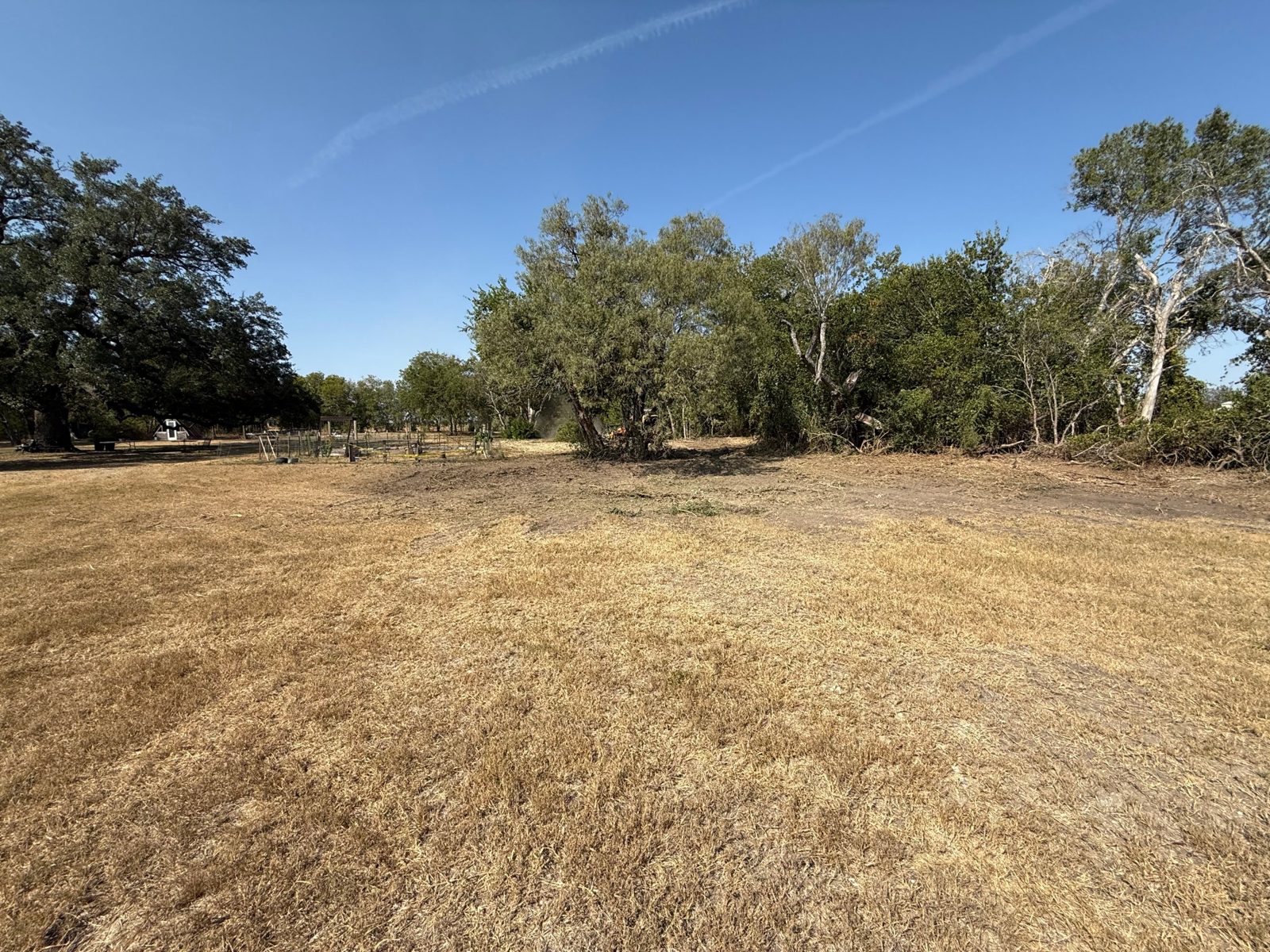
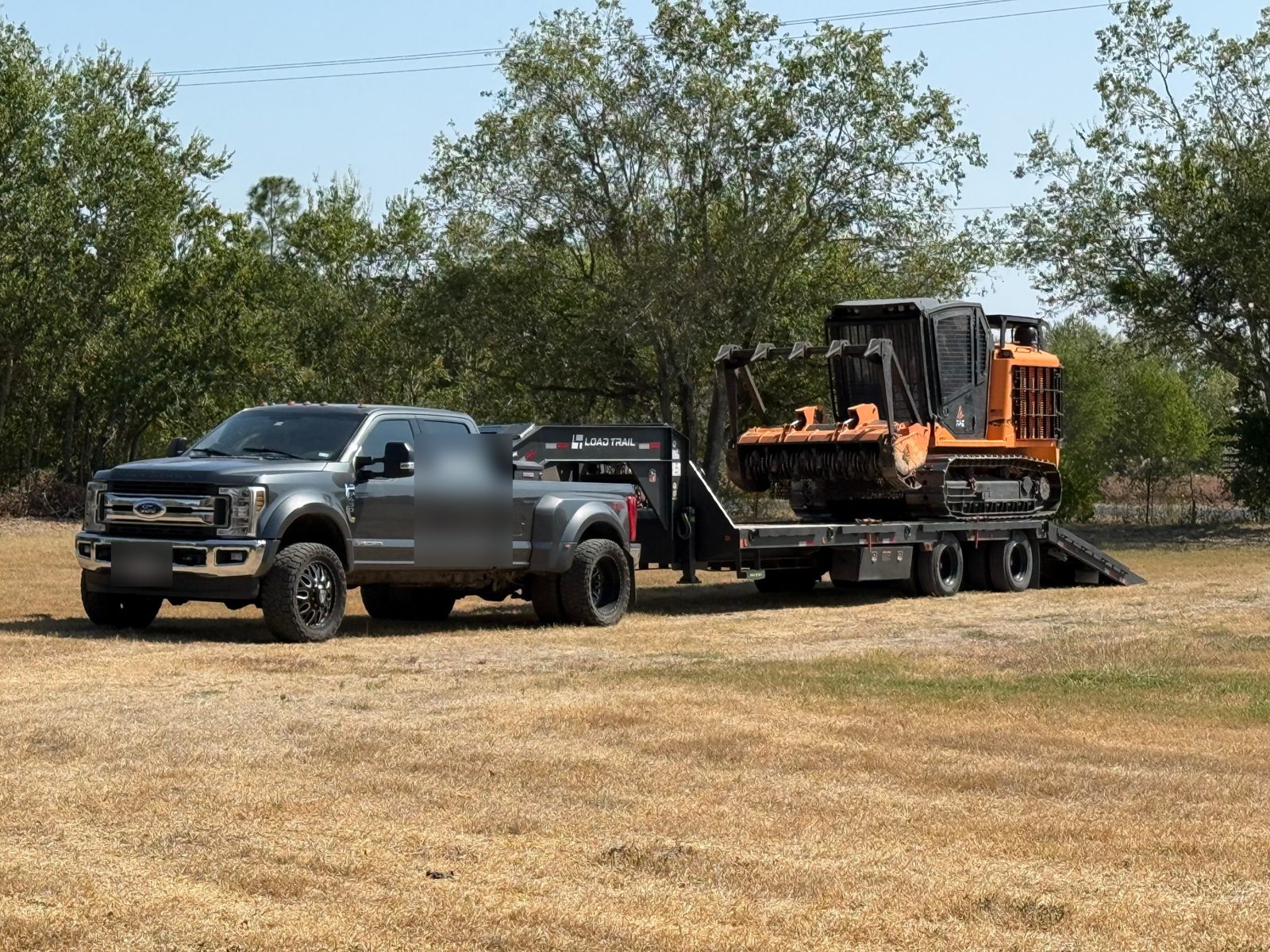
- Brush clearing. If you’re building, you’ll need a clear build site, a driveway, and room for the septic. Cedar and mesquite can be thick out here. Get a bid from a land-clearing company before you make an offer, so the cost is part of your number and not a surprise after closing.
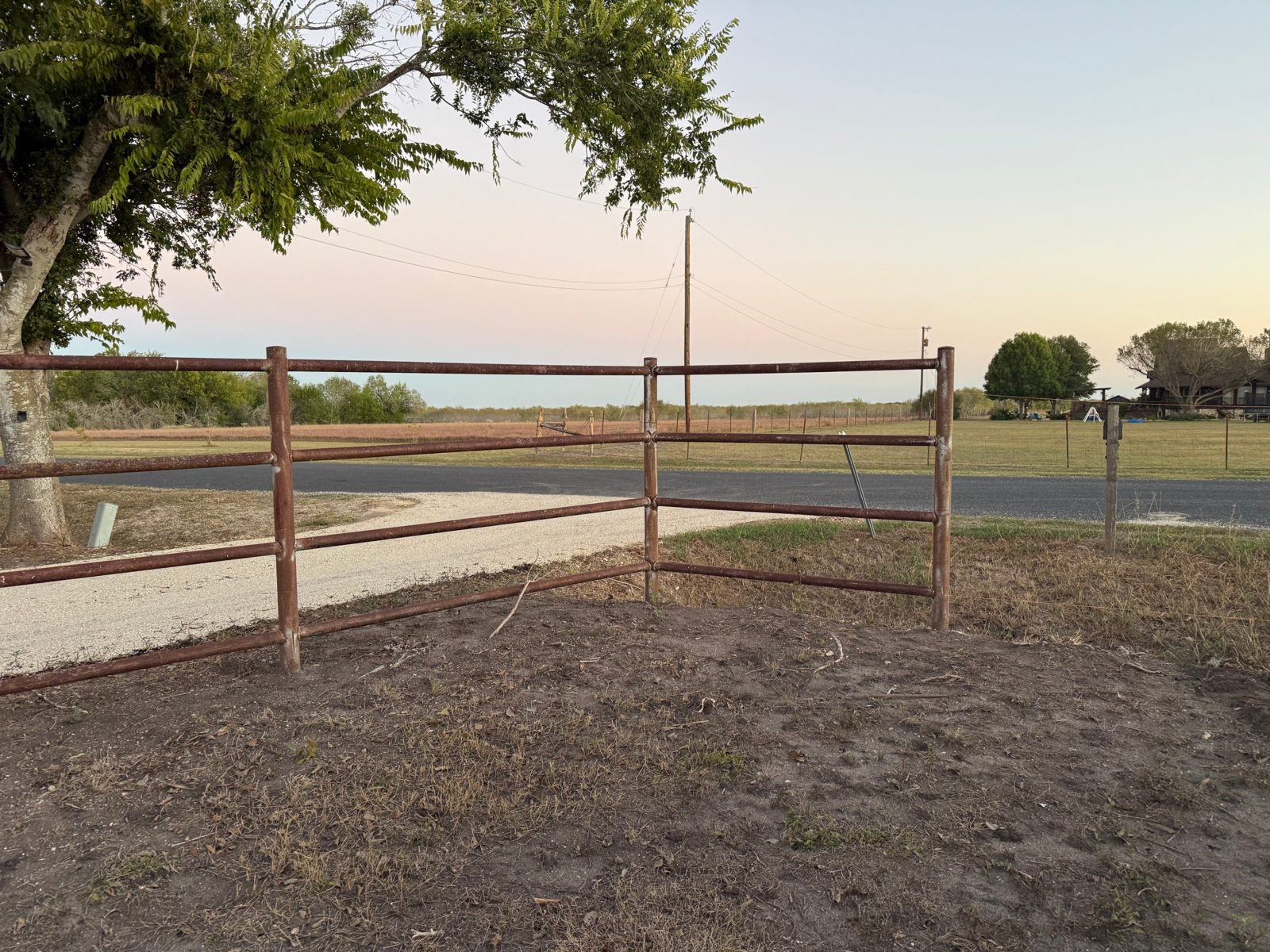
- Fencing. Walk the whole fence line. Check what kind it is (barbed wire, pipe, net wire or game fence), what shape it’s in, and whether it will hold the animals you plan to keep. Replacing fence on a few acres adds up, so get a bid if it’s in rough shape. And remember from section 4: the fence isn’t always on the property line.
- The soil. Soil decides more than your garden. It affects what kind of septic system you can put in, what kind of foundation your builder recommends, and what it costs to build. Around Bulverde, you’ll often hit rock close to the surface. Farther east toward Marion, clay is more common. Look up the property on the USDA’s Web Soil Survey for a first read. Then ask your builder and septic designer what testing they’ll need on that site before you count on a plan.
- Paved road or not. A paved county road is a different daily drive than a caliche or gravel road. Unpaved roads mean more dust, more wear on your vehicles, and sometimes a rough trip after a heavy rain. Ask whether the road is county-maintained or private, and who pays to fix it.
- Neighbors close enough to help. Privacy is why most people move to the country. But if something goes wrong at 2 a.m., you want someone close enough to call. Drive the road and see who’s around.
- The nearest fire hydrant. Many rural properties don’t have one nearby. Find the closest hydrant and the closest fire station, then call your insurance agent before you make an offer. Fire protection can affect your homeowners insurance.
- Highway access. In Bulverde, that usually means how far you are from US 281. In Marion, it’s how you get to I-10. Drive the commute at the time of day you’ll actually make it, not on a Sunday afternoon.
- The nearest hospital. Look up the closest emergency room and drive it. If someone in your family has health needs, this one moves up the list.
None of these are deal-breakers on their own. But every one of them is easier to check before you write an offer than after you’ve moved in.
7. Can you finance it the way you’re planning to?
Not every property with land finances like a house in town. Raw land, large acreage, and properties with more barn than house can need a different kind of loan.
Talk to your lender before you fall for a specific property. Tell them the acreage, whether there’s a home on it, and what you plan to do with the land. Some lenders specialize in rural property. Your lender, not me, will tell you what you qualify for.
What I actually do for you
When you’re looking at country property with me, here’s what I do:
- I pull the water, septic, ag and survey questions before we write an offer, not after.
- I request the well report, septic permit, and any lease from the seller’s side.
- I write the option period long enough to get the water test, the septic inspection, and the survey done.
- I pull the comps, even when there are only a few. On acreage, the land, the improvements, and the water all get weighed separately.
- I get the deed restrictions in front of you early, so you know what you can build before you fall for the view.
- I drive the roads with you: the commute, the nearest hospital, the neighbors, and how the property sits.
- I connect you with local well, septic, survey, and land-clearing people, and you choose who to hire.
Let’s look at what the market is willing to pay for that piece of land, with the water and the tax status figured in. If a property doesn’t check out, I’ll tell you. I’m not going to push you toward a deal just because it closes faster or pays me more.
Common questions
Do I need a separate septic inspection if I already have a home inspection?
Yes. A general home inspection doesn’t fully evaluate the septic system. Hire a licensed septic inspector during the option period.
Does the ag exemption transfer when I buy the land?
No, not on its own. The new owner has to file their own application with the appraisal district, and the land has to stay in qualifying use. Ask the appraisal district and your CPA about your situation.
Who pays rollback taxes if the ag use changes?
Under the appraisal districts’ guidance, the person who owns the land on the date the use changes is liable. That’s why the contract and the title work need to address it before you buy.
How do I find out if a well has gone dry before?
Ask the seller directly, ask for pump repair records, and get a well company to test the output during the option period. In Comal County, the Comal Trinity Groundwater Conservation District is a good contact for well questions.
Do deed restrictions apply to land outside the city?
Often, yes. Many rural subdivisions and acreage communities have recorded restrictions, even with no city rules. Read them in the title commitment before your option period ends.
How long does it take to find the right piece of land?
Longer than most people expect. It can take months, and sometimes a year, to find a property that checks the water, septic, road, and location boxes. Start the list early and look at a lot of land before you commit.
Is Bulverde or Marion better for country living?
They’re different. Bulverde is in Comal County, over the Trinity Aquifer, with more hills and more nearby subdivisions like Johnson Ranch. Marion is in Guadalupe County, flatter, with more open farmland, and new construction is coming in nearby. Tell me how you want to live, and I’ll show you both.
Send me the parcel before you make an offer
If you’ve found a piece of land outside Bulverde, Marion, or anywhere around San Antonio, send it to me before you write an offer. I’ll pull the comps, the water and septic questions, and the tax status, so you go in knowing what you’re buying.
If you’ll need to sell your house in town first, I can give you that number too, so the two moves line up.
Book a free consultation: Schedule a call with Marc
Call or text: 210-262-7815
Email: marclongoria210@gmail.com
Bring me the timeline and I will tell you what the market is willing to pay.
Marc Longoria is a Texas REALTOR® with LPT Realty, named a 2026 Top Citywide Realtor / Top Producing Realtor, San Antonio, by LPT Realty. He has invested in Texas real estate since 1997, served in the U.S. Air Force, and helps buyers and sellers across Bexar, Comal, Guadalupe and Wilson counties. This post is general information, not legal, tax, or engineering advice. Rules on wells, septic systems, and agricultural valuation vary by county and district and can change. Confirm with the groundwater district, county, appraisal district, and your own attorney, CPA, and inspectors. Marc does not approve loans, give tax advice, or determine VA eligibility.